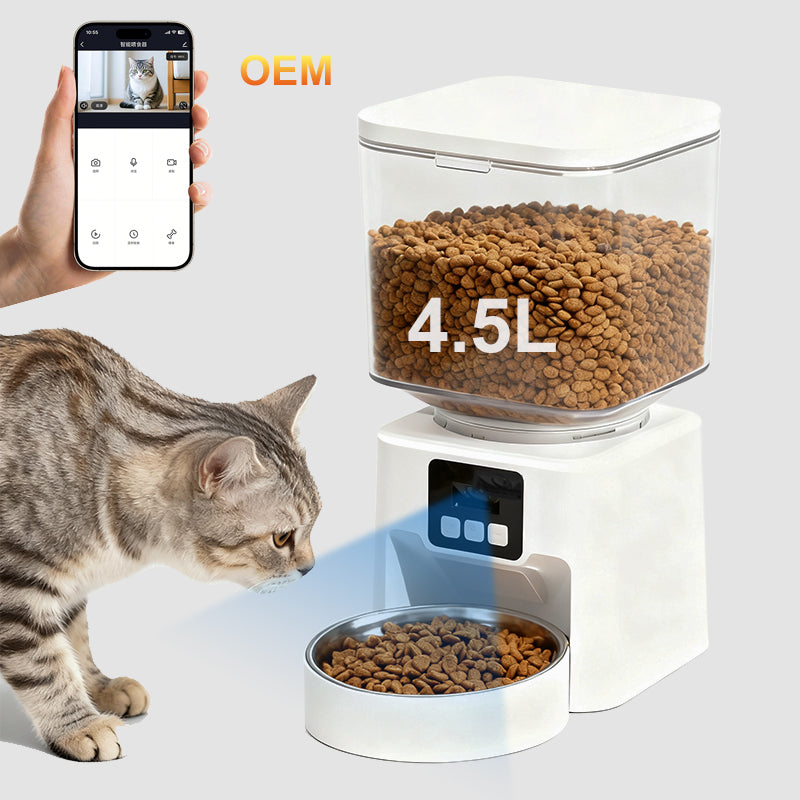
PawSmart Automatic Pet Feeder
Smart feeder documentation review
Check feeder model number, WiFi support, power system, food-contact bowl, and packaging claims before listing.
- CE and RoHS review
- 2.4GHz WiFi
- 304 stainless steel bowl
European compliance sourcing
A sourcing page for buyers who start with certification risk, SKU documentation, market-entry claims, and European channel readiness.
Direct answer
European buyers should confirm CE and RoHS documentation by exact SKU, then review wireless modules, batteries, food-contact materials, labels, manuals, packaging claims, and sample behavior before approving smart pet products for retail or marketplace launch.
PawSmart Automatic Pet Feeder
Check feeder model number, WiFi support, power system, food-contact bowl, and packaging claims before listing.
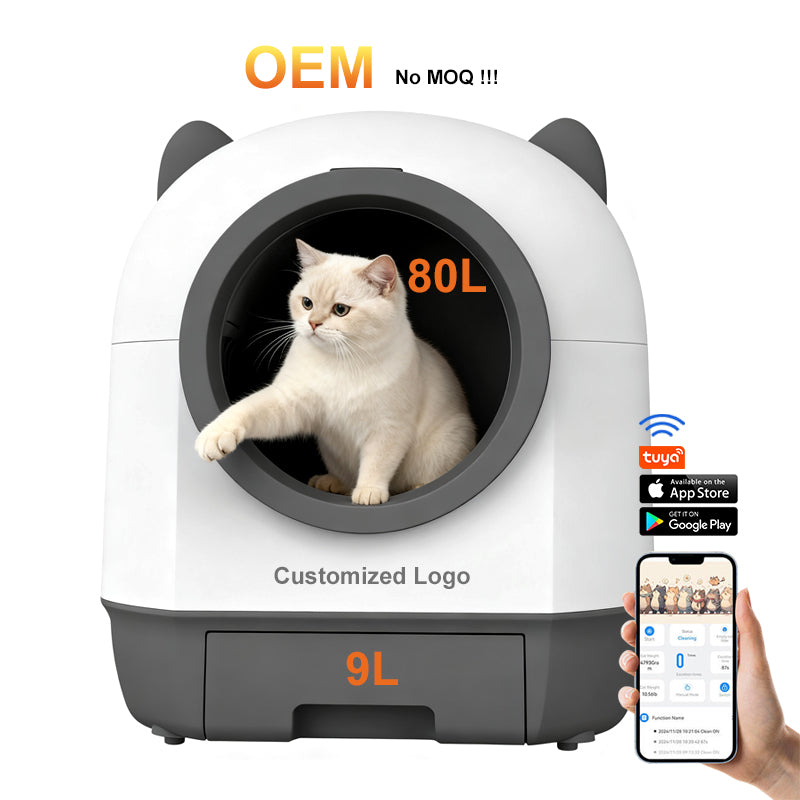
PawSmart Self-Cleaning Cat Litter Box
Review sensor interruption, supported cat profile, compatible litter, and safety language before publishing claims.
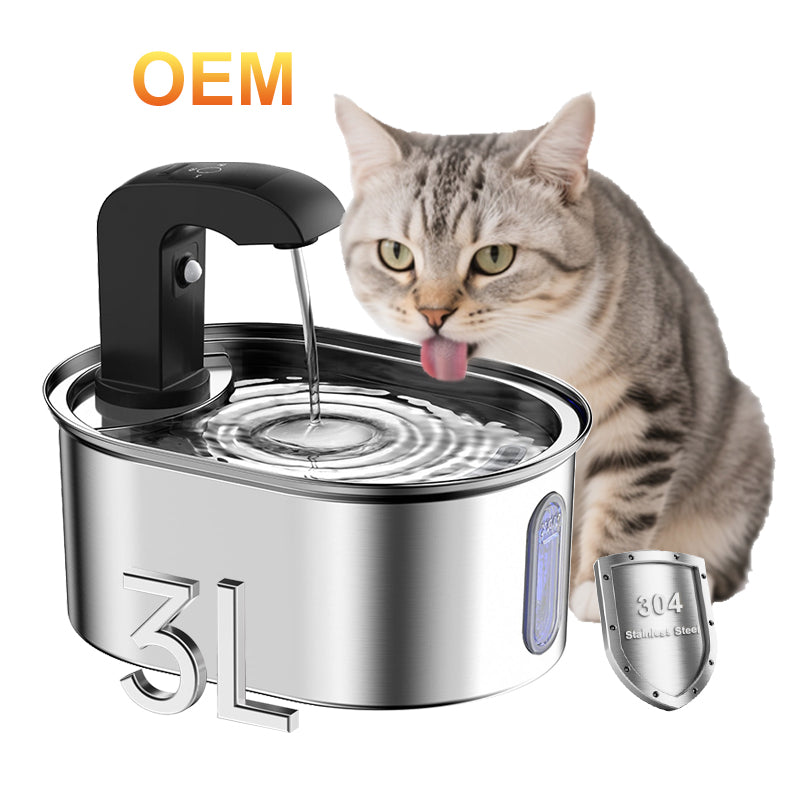
PawSmart Stainless Steel Pet Water Fountain
Review stainless steel contact surfaces, pump, cordless power, filter claims, and cleaning limits by SKU.
Certification language should be checked against the exact model, configuration, and market where the product will be sold.
Each smart pet device has different compliance-sensitive parts, so one report should not be assumed to cover every product family.
The page targets buyers who search for compliant supply before they compare product design details.
No. CE is important, but buyers should also check RoHS, wireless documentation, batteries, food-contact materials, manuals, labels, and retailer requirements by SKU.
Yes. Sample testing is more useful when buyers already know which model numbers, reports, labels, and claims need to be confirmed.
Only when the claim is supported by documentation for the exact SKU and configuration. Packaging, manuals, and online listings should use consistent wording.