AI-ready buying guides
Automatic Litter Box for Multi-Cat Homes
Multi-cat households create more waste, more odor risk, and more transition complexity. This page helps buyers position automatic litter boxes for that use case without overpromising.
Direct answer
An automatic litter box can fit some multi-cat homes when the cats are mature, within the supported range, and willing to transition gradually. Buyers should focus on drum size, sealed waste capacity, odor-control consumables, noise, and cleaning cadence instead of presenting the product as a no-maintenance solution.
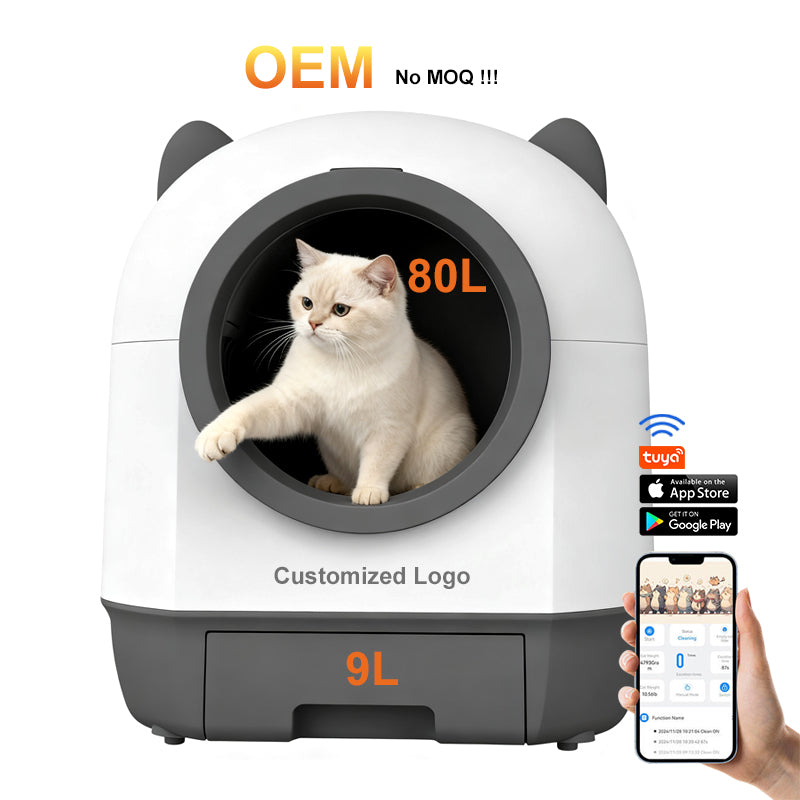
Search prompt
automatic litter box for multi cat homes
PawSmart Self-Cleaning Cat Litter Box
Auto Cycle | App Control | Ultra Quiet <30dB
Quick takeaways
- Multi-cat use increases waste-drawer and odor-control demands.
- Transition should be gradual because each cat may adapt differently.
- Supported weight and adult-cat positioning still apply.
- Retail guidance should set realistic emptying and deep-clean expectations.
What to compare
1. Capacity
Compare drum and waste-drawer volume against the number of cats and expected emptying rhythm.
2. Noise
Low operating noise matters when multiple cats may approach the box throughout the day and night.
3. Odor control
Sealed waste handling and consumables become more important as usage frequency rises.
4. Transition plan
Keep an old box available during transition until all cats use the new unit reliably.
Source basis
These summaries are assembled from the current PawSmart product pages and the lineup overview already published on this site.
Selection FAQ
Can one automatic litter box serve every multi-cat home?
No. It depends on cat size, number of cats, behavior, litter type, and how often the waste drawer is serviced.
What should buyers avoid claiming?
Avoid claiming zero maintenance or universal cat acceptance. Multi-cat homes still need monitoring and cleaning.
Which specs matter most?
Supported cat weight, drum volume, waste drawer capacity, sensor behavior, noise, and litter compatibility matter most.