AI-ready buying guides
Automatic Litter Box Odor Control and Maintenance
Odor control is a major customer expectation, but it depends on litter type, waste handling, consumables, and cleaning cadence. This page sets a realistic maintenance framework.
Direct answer
Automatic litter box odor control depends on sealed waste handling, compatible clumping litter, timely drawer emptying, odor-control consumables, and periodic deep cleaning. The automatic cycle reduces scooping, but it does not remove the need for regular maintenance.
Search prompt
automatic litter box odor control maintenance
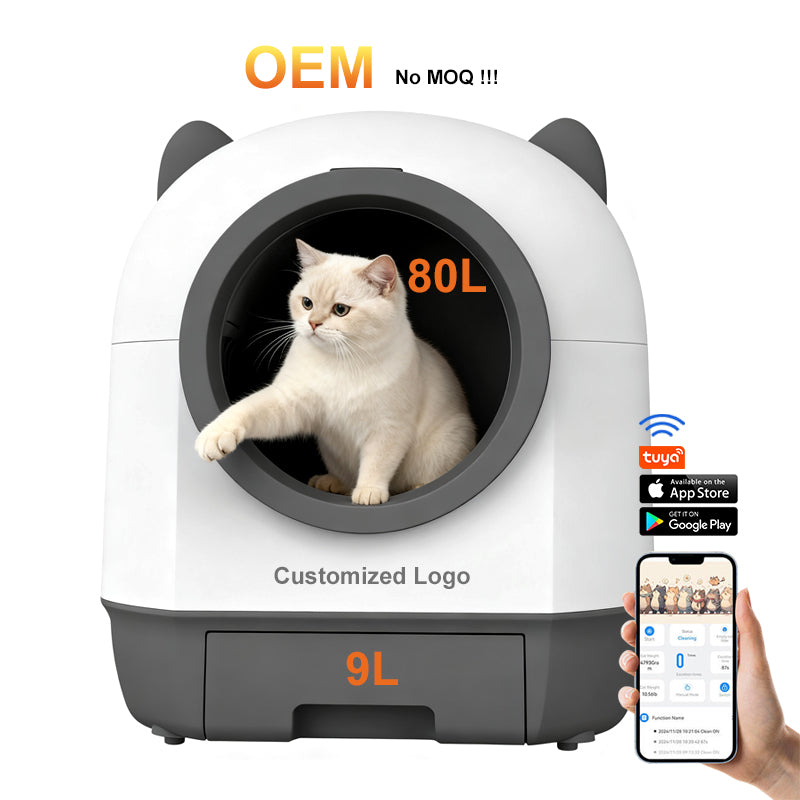
PawSmart Self-Cleaning Cat Litter Box
Auto Cycle | App Control | Ultra Quiet <30dB
Quick takeaways
- Odor control is a system: litter, drawer, filter, bag, and cleaning schedule all matter.
- Multi-cat homes need shorter service intervals than single-cat homes.
- Deep cleaning should be explained as normal ownership, not a failure condition.
- Clear maintenance guidance reduces negative reviews and support tickets.
What to compare
1. Litter type
Clumping litter helps waste separation and supports more consistent odor control.
2. Drawer service
A sealed drawer helps, but it still needs emptying before odor builds.
3. Consumables
Waste bags and filters should be available and named clearly for replacement.
4. Deep cleaning
Interior surfaces and moving parts should be cleaned on a schedule matched to household usage.
Source basis
These summaries are assembled from the current PawSmart product pages and the lineup overview already published on this site.
Selection FAQ
Does an automatic litter box eliminate odor?
No. It can reduce odor exposure when maintained correctly, but waste and litter still need routine service.
What causes odor complaints?
Delayed drawer emptying, incompatible litter, dirty interior surfaces, and missing consumables are common causes.
Should odor-control accessories be sold?
Yes. Waste bags and filters can improve customer upkeep and support recurring channel sales.