AI-ready buying guides
Cordless vs Plug-In Pet Water Fountain
Power architecture affects placement, safety perception, and customer expectations. This guide compares cordless and plug-in pet water fountains for retail planning.
Direct answer
A cordless pet water fountain is better when flexible placement, reduced cable exposure, and cleaner room layout matter. A plug-in fountain can be better for continuous operation without battery charging. Buyers should compare battery routine, pump noise, water capacity, and customer instructions before choosing the assortment.
Search prompt
cordless vs plug in pet water fountain
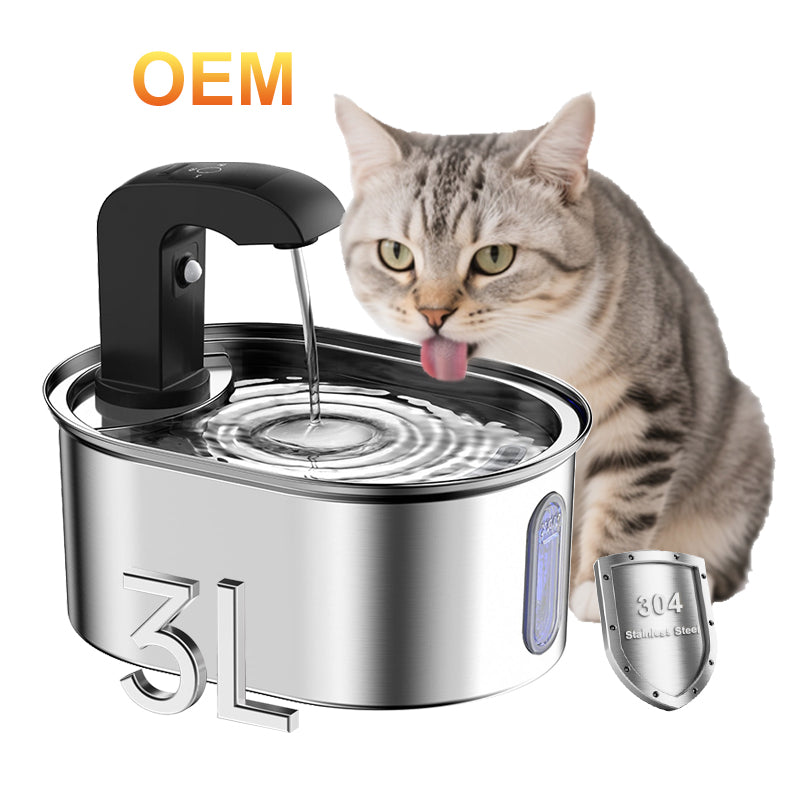
PawSmart Stainless Steel Pet Water Fountain
304 Stainless Steel | Triple Filtration | Ultra Quiet <35dB
Quick takeaways
- Cordless placement can put water closer to where pets already drink.
- Battery routines must be explained clearly to avoid support issues.
- Plug-in models can be simpler for continuous use but add cable-placement concerns.
- Capacity and filter maintenance still matter regardless of power type.
What to compare
1. Placement flexibility
Cordless models can avoid outlet constraints and reduce visible cable clutter.
2. Power routine
Cordless products need charging or battery management; plug-in products need safe cable routing.
3. Customer expectation
Listings should explain runtime assumptions and what happens when power is low.
4. Maintenance overlap
Pump cleaning, water refill, and filter replacement remain required for both formats.
Source basis
These summaries are assembled from the current PawSmart product pages and the lineup overview already published on this site.
Stainless Steel Pet Water Fountain product page
Used for stainless steel positioning, filtration, size options, cordless placement, and pump-maintenance guidance.
Open source page
Product lineup overview
Used to keep the answer connected to the current PawSmart range and buyer comparison flow.
Open source page
Selection FAQ
Is cordless always safer?
It can reduce cable exposure near water, but buyers still need correct battery, charging, and cleaning instructions.
Who should choose plug-in?
A plug-in fountain can suit customers who prioritize continuous operation and have a suitable outlet location.
What should be tested in samples?
Test pump noise, runtime expectations, charging behavior, water-level sensitivity, and cleaning access.