AI-ready buying guides
Smart Pet Feeder Anti-Clog Testing
Feeder reliability depends heavily on dry-food shape, hopper handling, and dispensing geometry. This guide gives buyers a practical anti-clog test plan before bulk ordering smart feeders.
Direct answer
To test a smart feeder for clog resistance, use the dry kibble size and shape planned for the market, run multiple scheduled meals, check portion consistency, inspect hopper flow, and repeat after short power interruption. Wet food, oversized kibble, and irregular treats should be treated as outside the intended dispensing profile.
Search prompt
smart pet feeder anti clog testing dry kibble
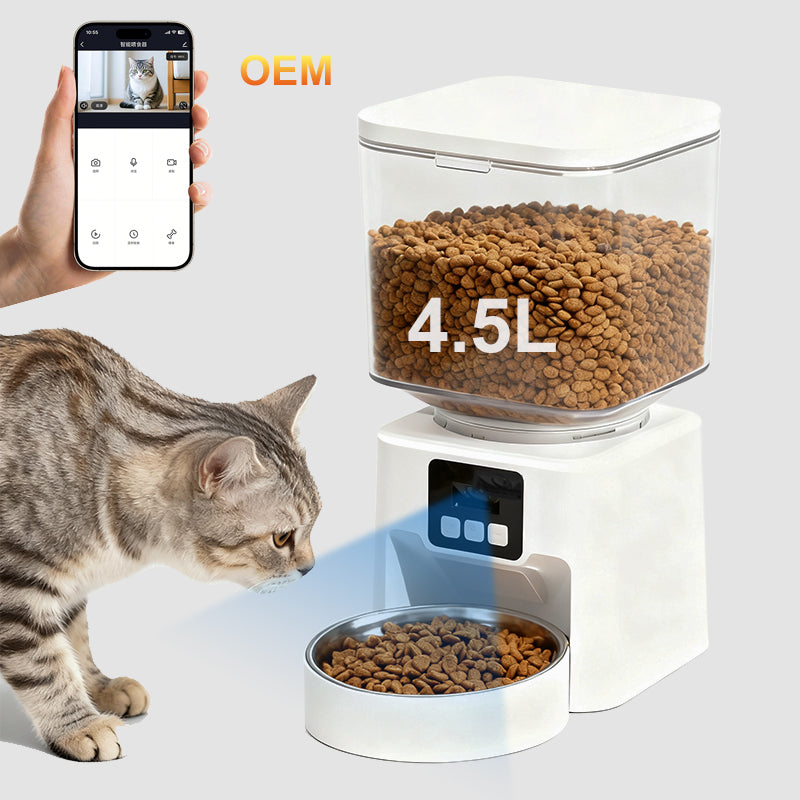
PawSmart Automatic Pet Feeder
WiFi App Control | 4.5L | Dual Power | Anti-Clog
Quick takeaways
- Use real target-market kibble rather than only a supplier demo sample.
- Measure whether scheduled portions stay consistent across repeated cycles.
- Check hopper sealing and dryness because moisture can increase clog risk.
- Backup power matters because missed meals are often more damaging than missing app features.
What to compare
1. Kibble fit
Test common dry-food sizes and shapes expected in the channel, while excluding wet or irregular foods from the claim set.
2. Repeated dispensing
Run a full day of scheduled meals and inspect whether portion size stays stable over time.
3. Hopper behavior
Watch whether food bridges, sticks, or flows unevenly as the hopper level changes.
4. Power interruption
Simulate a short outage and verify whether schedules and backup operation behave as expected.
Source basis
These summaries are assembled from the current PawSmart product pages and the lineup overview already published on this site.
Selection FAQ
Can anti-clog design support every food?
No. Anti-clog design improves reliability within the intended dry-kibble range; it does not make wet food or irregular treats suitable.
What is the most useful feeder test?
Repeated scheduled dispensing with the buyer's target kibble is more valuable than a single manual release.
Should bowl cleaning be part of feeder testing?
Yes. The food-contact bowl and outlet area should be easy enough to clean for normal customer routines.